



Clogged Gutters in Pickerington: How to Protect Your Foundation from Ohio Rains

Spring downpours in Central Ohio can turn a small gutter problem into a major foundation headache, especially in tree-lined parts of Pickerington. When limbs drop leaves, needles, and seeds into your gutters, water spills over the edge, runs down the siding, and pools along your foundation. That is a fast path to basement leaks in our clay-heavy soils. If you are seeing overflow during storms, start with a professional evaluation and learn how right-sized seamless gutters can move water safely away. You can also review service options anytime on our gutters page.
Do not ignore overflowing gutters during spring storms. In Central Ohio, saturated clay expands and then shrinks as it dries. Repeated cycles next to your footers can shift soil, open gaps, and push water toward block walls. Staining at the top of a basement wall or a damp floor edge after rain is often a gutter issue, not only a basement issue. Smart drainage at the roofline reduces pressure before it reaches your foundation.
Why Clogged Gutters Threaten Pickerington Foundations
Pickerington sits on clay-rich soils that hold water like a sponge. When gutters clog, water sheets over the lip and concentrates right beside the house. That surface water seeps down, fills the pore spaces in clay, and builds pressure against your foundation. Over time, joints in block walls can weep, paint can blister, and floors can show hairline cracks near outside walls. You may also see mulch washing out and bare arcs where water has carved channels under the eaves.
Mature tree canopies in historic and established neighborhoods add to the challenge. Late spring storms often follow heavy pollen strings, maple seeds, and fresh leaf growth. Debris builds up fast, even on homes that were cleaned earlier in the season. With strong winds, gutter outlets can plug in minutes, and a single blocked elbow can back up an entire run during a downpour.
Clear Signs Your Gutters Are Overwhelmed
Here are straightforward clues that your system cannot keep up with Ohio rains:
- Water spills over the front edge during moderate rain or pours from behind the gutter against the fascia.
- Dirty “tiger stripes” or streaks on the face of the gutter beneath roof valleys.
- Mulch displacement, soil gullies, or a splash line in the landscaping under the eaves.
- Damp blocks, musty smell, or a thin dark line at the base of basement walls after storms.
- Standing water near downspout outlets or at the bottom of foundation steps the day after rain.
If you spot two or more of these signs, the system likely needs more than a quick cleanup. Capacity, outlet sizing, and downspout layout may all need attention, especially on homes with larger roof areas and steep pitches common in newer Pickerington builds.
5-Inch vs. 6-Inch Seamless Gutters for Central Ohio Storms
Homeowners often ask whether 6-inch gutters are worth it. The short answer is that size matters when you have large roof planes, long runs, multiple valleys, or heavy tree debris. A 6-inch K-style profile offers a wider trough and bigger outlets, so it can carry and release more water before it reaches the edge. For many homes that see frequent overflow in storms, a 6-inch system paired with larger downspouts is the difference between clean drainage and a sheet of water next to your foundation.
Think about gutter size as part of a matched system that includes outlet openings, downspout size, and the number of drop locations on each run. Even the best 6-inch trough will struggle if it necks down to a small outlet or a long flat section without enough pitch. An expert will check the square footage that feeds each valley, look at the slope, and size components so water keeps moving during intense bursts.
- Choose 5-inch seamless gutters when the roof area per run is modest, valleys are short, and tree debris is light to moderate.
- Choose 6-inch seamless gutters when valleys dump heavy water, roof planes are large or steep, or leaf and seed drop is frequent.
Choose 6-inch seamless gutters with 3x4 downspouts for larger roofs or steep valleys. The wider outlet and larger pipe allow water and small debris to pass without clogging, which reduces emergency overflows during the kind of fast-moving storms we see each April and May.
Downspouts, Outlets, and Guards That Keep Water Moving
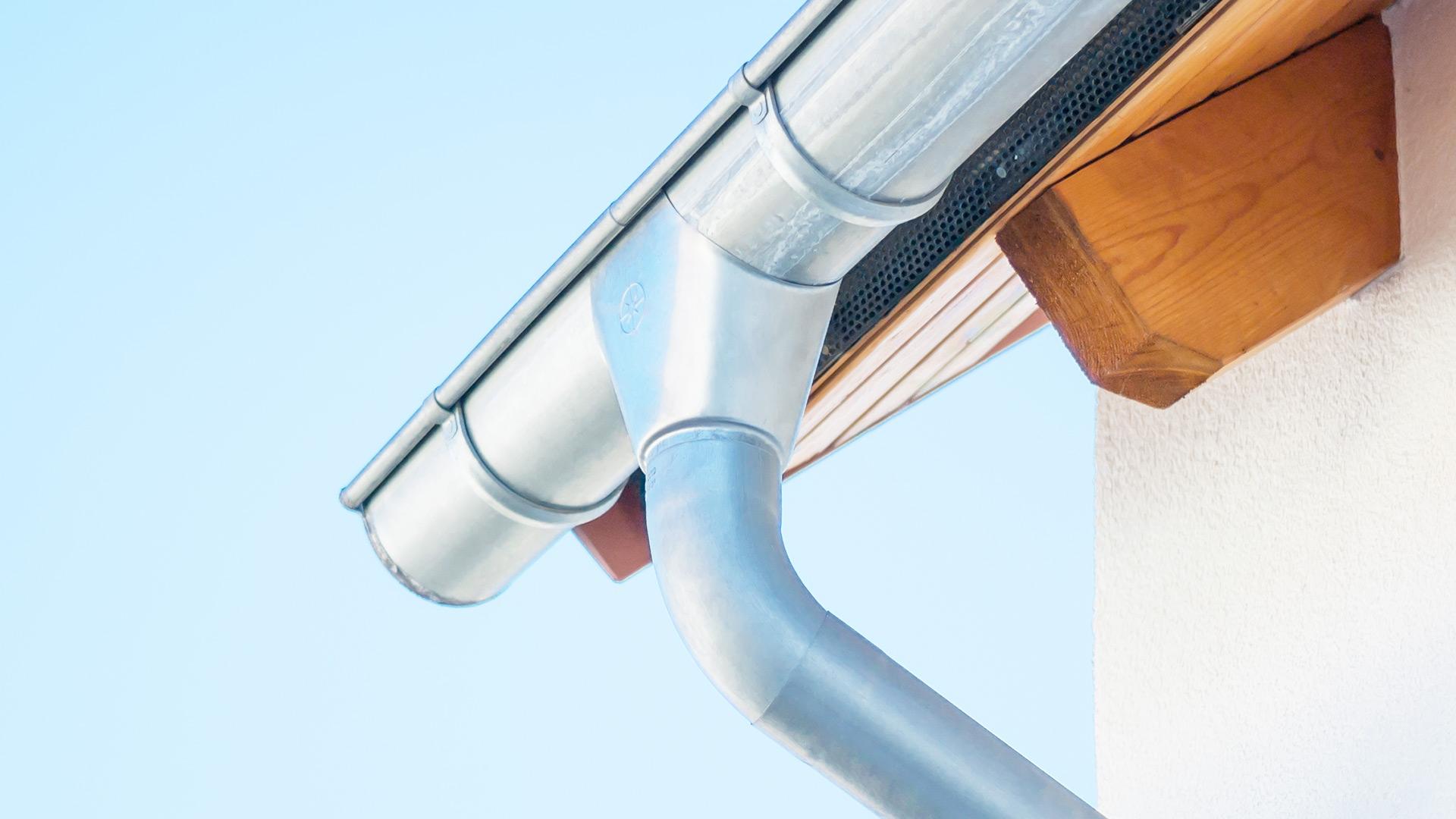
Downspouts are the release valve of your system. Many older homes still use 2x3 spouts. Upgrading to 3x4 increases the opening area and helps debris pass through instead of lodging at the elbows. The number and placement of drops also matter. Long uninterrupted runs benefit from two or more outlets so water does not crowd a single corner during a storm.
Gutter guards help when matched to the type of debris. In Pickerington, spring brings small pollen strings and seeds that can ride across fine mesh, while fall delivers larger leaves that can mat on top. A professional will recommend a guard style with the right balance of filtration and flow for your tree mix. The goal is not to seal the gutter. The goal is to keep the channel open so rain can enter quickly and exit even faster.
How Mature Trees In Historic Pickerington Affect Gutters
Large maples, oaks, and sycamores around Olde Pickerington Village and other established streets create beautiful shade and curb appeal. They also shed a steady stream of material through the year. Early spring drops catkins and bud casings. Late spring brings seed pods. Summer adds fine twigs after wind events. By the time fall arrives, gutters already have a layer of organic matter that reduces capacity. One intense storm can send water over the lip, even if the gutter looks only half full.
Gutter size, outlet opening, and spout layout must account for this constant input. In leafy blocks near parks and greenbelt areas, a 6-inch seamless system provides a margin of safety. Larger outlets let small seed clusters pass through, and bigger spouts resist clogging where elbows turn toward the yard. This is not about oversizing for show. It is about confident drainage when rain slams the roof for ten minutes straight.
Preventing Foundation Water Damage Starts With Roof Drainage
The phrase “preventing foundation water damage” usually brings to mind drains and waterproofing inside the basement. Those can help, but the fastest win sits at the roof edge. Every gallon you keep moving through gutters and downspouts is a gallon that will not soak the clay next to your wall. That reduces the risk of seepage lines, musty odors, and the minor wall shifts that doors reveal when they start to stick after storms.
It also protects your yard. Overflowing gutters carve channels in planting beds and expose roots. They push silt across sidewalks and leave slippery residue on patios. Rerouting that water through right-sized spouts and into approved discharge paths makes the entire property cleaner and safer after rain.
If you want to see how this works in practice, learn why homeowners choose us for Pickerington gutter repair. You will find that small improvements at the roofline often solve the persistent basement symptoms that keep showing up after every big storm.
Roof Valleys, Steep Pitches, and Additions That Change Water Flow
Not every home collects water the same way. Valleys concentrate runoff into a narrow river that hits the gutter at speed. Steeper roof pitches accelerate that flow. Even porch and garage additions can change the way water arrives at the original gutter line. Many overflow hot spots live at these intersections. A skilled roofing contractor studies these details, sizes the trough for the surge, and places outlets where water naturally wants to go.
Where valleys drop into a short section of gutter before a corner, the solution might be a larger outlet positioned directly under the valley, a second downspout, or a transition to a 6-inch run for that short stretch. The aim is to accept water without splash, slow it just enough to enter, and release it before the level can rise to the lip.
Materials and Details That Add Reliability
Seamless aluminum gutters are the standard for a reason. Fewer seams mean fewer potential leak points, and baked-on finishes stand up well to Ohio seasons. Strong hidden hangers keep the channel pitched and steady when it is loaded with water. Matching the hanger spacing to the expected load prevents sag that creates standing water and early corrosion. Outlets should be cut to full size, not reduced, so the opening does not throttle flow during a storm.
Flashing and drip edge alignment matter too. If water sneaks behind the gutter, it can rot fascia and stain siding. During a visit, a quality roofing contractor verifies the roof-to-gutter transition so the system does not just look right from the ground but actually performs in the rain.
Service Schedule That Fits Pickerington Weather
Central Ohio weather runs in patterns. High winds and heavy rain line up in early spring. Late spring brings short, intense storms. Fall is leaf season. A service plan that checks the system before spring and again after the first heavy leaf drop keeps you ahead of problems. The goal is to confirm capacity and clear any buildup before the next round of rain arrives.
Schedule a professional gutter inspection each spring and fall to stay ahead of heavy Ohio rains. A trained eye can spot small sags, mismatched outlets, and early seal issues long before they show up as basement symptoms.
What To Expect From Exterior Improvements During a Gutter Visit
As a trusted roofing contractor serving Pickerington, Exterior Improvements focuses on solutions that protect your foundation and your yard. Our team listens to your concerns, studies how your roof collects and moves water, and checks for trouble spots like valley drops, long runs, and undersized outlets. We then explain options in plain language so you can choose between 5-inch and 6-inch seamless profiles, downspout sizes, and guard styles that match your trees and roof layout.
Most homeowners want a system that just works when storms roll in. That is why we size components as a package and pay attention to discharge paths away from the foundation. When you are ready to learn more about materials, colors, and layout, explore our seamless options on the gutters page. You will see how the right design prevents overflow and helps keep basements dry in our clay-heavy soils.
For fast Pickerington gutter repair and seamless gutter installation Pickerington OH, call Exterior Improvements at 740-503-3501. Our team is ready to assess your roofline, recommend the right-size system, and get water moving safely away from your home before the next storm hits.
When you work with us, you are choosing a local partner who understands how mature tree canopies, spring downpours, and Central Ohio clay interact. We bring that local insight to every project, so you get a gutter system that manages storms without drama and helps protect your foundation for the long run.

Exterior improvements tips & articles
-
Clogged Gutters in Pickerington: How to Protect Your Foundation from Ohio Rains
Spring downpours in Central Ohio can turn a small gutter problem into a major foundation headache, especially in tree-lined parts of Pickerington. When limbs drop leaves, needles, and seeds into your gutters, water spills over the edge, runs down the siding, and pools along your foundation. […]
-
Comparing Siding and Roofing Materials for Central Ohio’s Rapid Temperature Swings
In Columbus, warm afternoons can turn chilly by night. Those swings test every inch of your exterior. If you are weighing new siding or a roof upgrade, it helps to match materials to our climate. This guide breaks down how popular options handle freeze-thaw cycles, late‑season […]