

Comparing Siding and Roofing Materials for Central Ohio’s Rapid Temperature Swings

In Columbus, warm afternoons can turn chilly by night. Those swings test every inch of your exterior. If you are weighing new siding or a roof upgrade, it helps to match materials to our climate. This guide breaks down how popular options handle freeze-thaw cycles, late‑season hail, and hot, sunny spells across Franklin and Fairfield counties. When you are ready to personalize a solution for your home, explore your choices with our siding company.
Rapid changes in temperature make building materials move. Some flex and bounce back. Others crack, loosen, or let water sneak in. Our team at Exterior Improvements installs products that handle expansion and contraction without giving up curb appeal or durability. You want a home that looks sharp in Clintonville and stays dry through a Grove City cloudburst.
Why Local Weather Should Shape Your Material Choices
Central Ohio gets a little of everything: spring wind, summer heat, fall rain, and winter freeze-thaw. The daily shift from 35°F mornings to 55°F afternoons in March or from 60°F afternoons to quick evening storms in May is common. That movement stresses panels, shingles, fasteners, and sealants. Pick materials that flex, lock tightly, and shed water fast.
Local insight: The biggest enemy is temperature whiplash plus moisture. When meltwater from a midday thaw seeps behind loose panels or into small roof gaps, an overnight freeze can pry things wider. Sealed systems and snug fasteners save headaches later.
Vinyl Siding: Flexible, Efficient, And Climate‑Smart
Vinyl siding is popular around Westerville, Reynoldsburg, and Pickerington for a reason. It is lightweight and designed to move with the weather. That flexibility helps it ride out quick temperature jumps without cracking. Modern profiles also resist color fade and can include insulated backers that tame drafts along north walls facing winter winds.
- Thermal expansion matters: Properly spaced fasteners and slip channels let panels expand on hot June afternoons and contract on cold January mornings without buckling.
- Freeze-thaw friendly: Vinyl sheds water and does not absorb it, which helps reduce cracking as temperatures drop overnight.
- Energy help: Insulated vinyl can cut heat loss through studs and reduce summer heat gain on south-facing elevations.
Many Columbus homeowners choose a mid-tone color to balance summer heat absorption with year-round curb appeal. If you are comparing profiles, textures, and insulation options, start with a quick look at our siding options and we can recommend a fit for your specific street and sun exposure.
Aluminum Siding: Tough Skin For Hail And Heat
Aluminum siding stays stable when temperatures swing hard. It does not soak up water and holds paint well. In hail-prone corridors along I‑70, aluminum’s dent resistance can be a plus, especially on windward walls. It also stands up to the radiant heat that bounces off light‑colored driveways and patios in neighborhoods like Hilliard and Gahanna.
Because metal conducts heat faster than vinyl, a quality housewrap and attention to thermal breaks matter for comfort. Pairing aluminum with vented soffit and well‑sealed fascia keeps the attic breathing and moisture moving out, which helps the whole system last.
Roofing Under Temperature Whiplash
Your roof takes the first hit from fast swings, pop‑up storms, and freeze-thaw. Picking the right system protects siding, soffit, and gutters below.
Asphalt Shingles: Proven And Adaptable
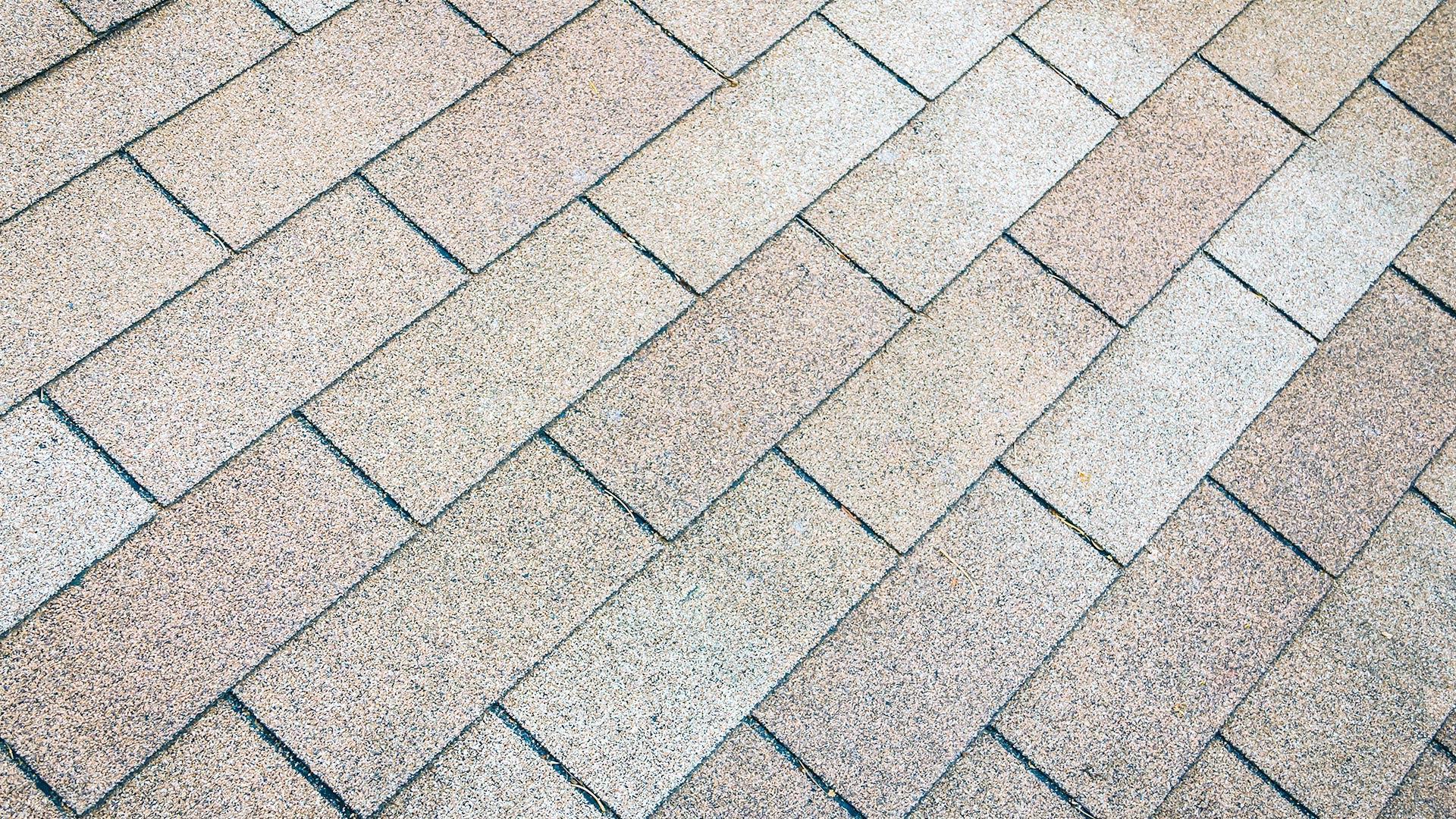
Architectural asphalt shingles handle Central Ohio well when installed with correct nailing, ventilation, and ice barrier at the eaves. Look for shingles rated for high wind and choose impact‑resistant options if your home sits in a hail track west of Downtown. Good attic airflow lowers summer deck temperatures and reduces winter ice dam risk that can push meltwater toward your siding.
Metal Roofing: Expansion Control And Long Life
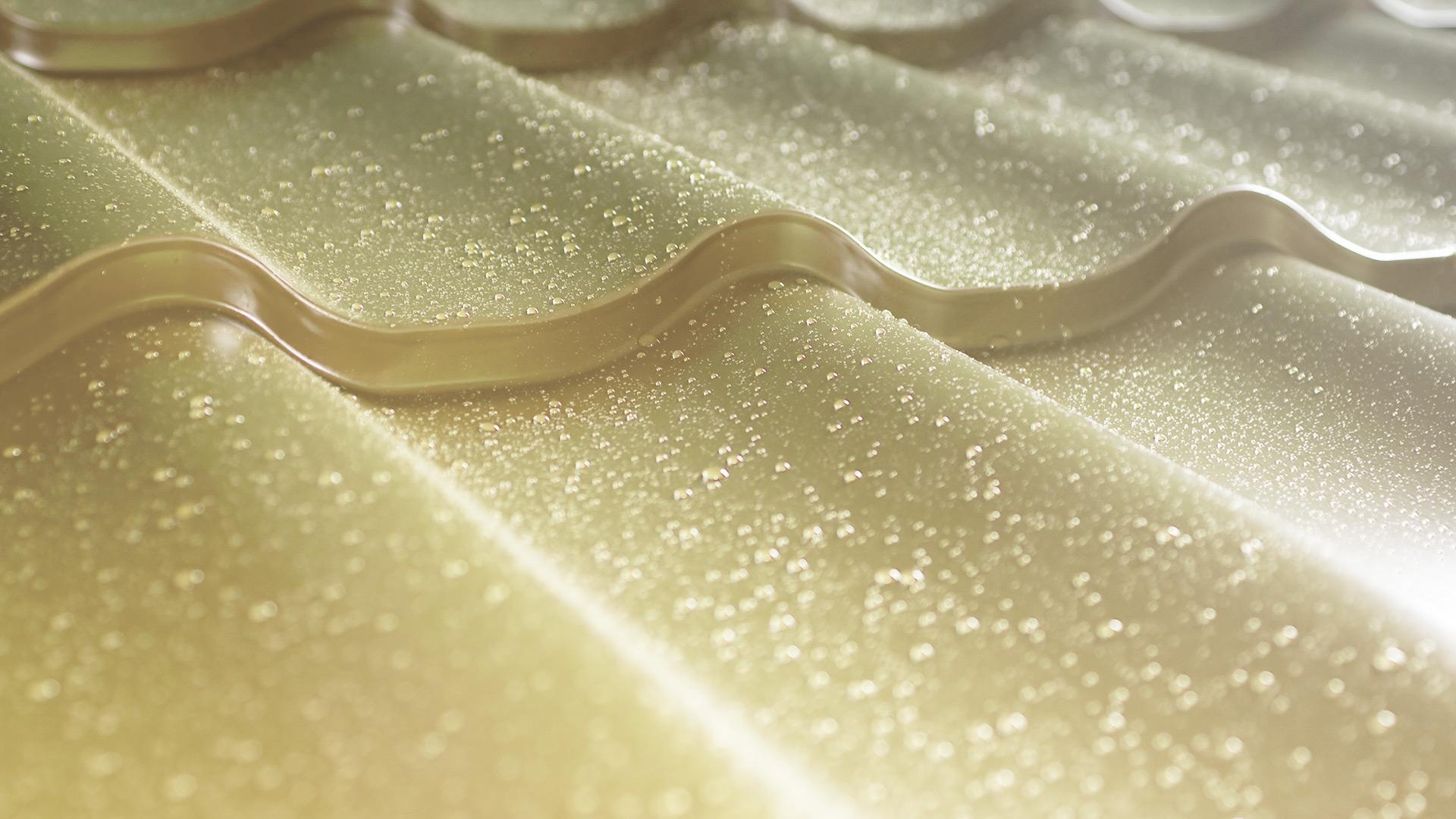
Standing seam and high‑quality metal panels expand and contract through the day, so clip systems and proper fastener spacing are key. With good underlayment and ventilation, metal reflects summer sun and clears snow quickly in winter. It pairs nicely with vinyl or aluminum siding because both are built to move without breaking seals.
On flat or low‑slope sections common over porches and additions, rubber membranes shine. They flex in heat and cold and resist ponding. Good terminations at walls protect the joint where roof meets siding, which is a common leak point after freeze-thaw cycles.
Details That Make Or Break Performance
Seams, fasteners, and ventilation are where projects succeed. Here is how each choice helps during those quick weather flips we see from Bexley to Dublin:
- Ventilation: Balanced intake at soffits and exhaust at baffles or ridge keeps deck temps steadier. That stability lowers the chance of shingle blistering and reduces winter condensation.
- Underlayments and wraps: Self‑sealing ice and water shields at eaves, valleys, and wall transitions, plus housewrap and flashing tape behind siding, block meltwater from sneaking indoors.
- Fastener spacing: Correct slotting on vinyl and proper clip use on metal control movement so panels do not warp or rattle during 40° temperature swings.
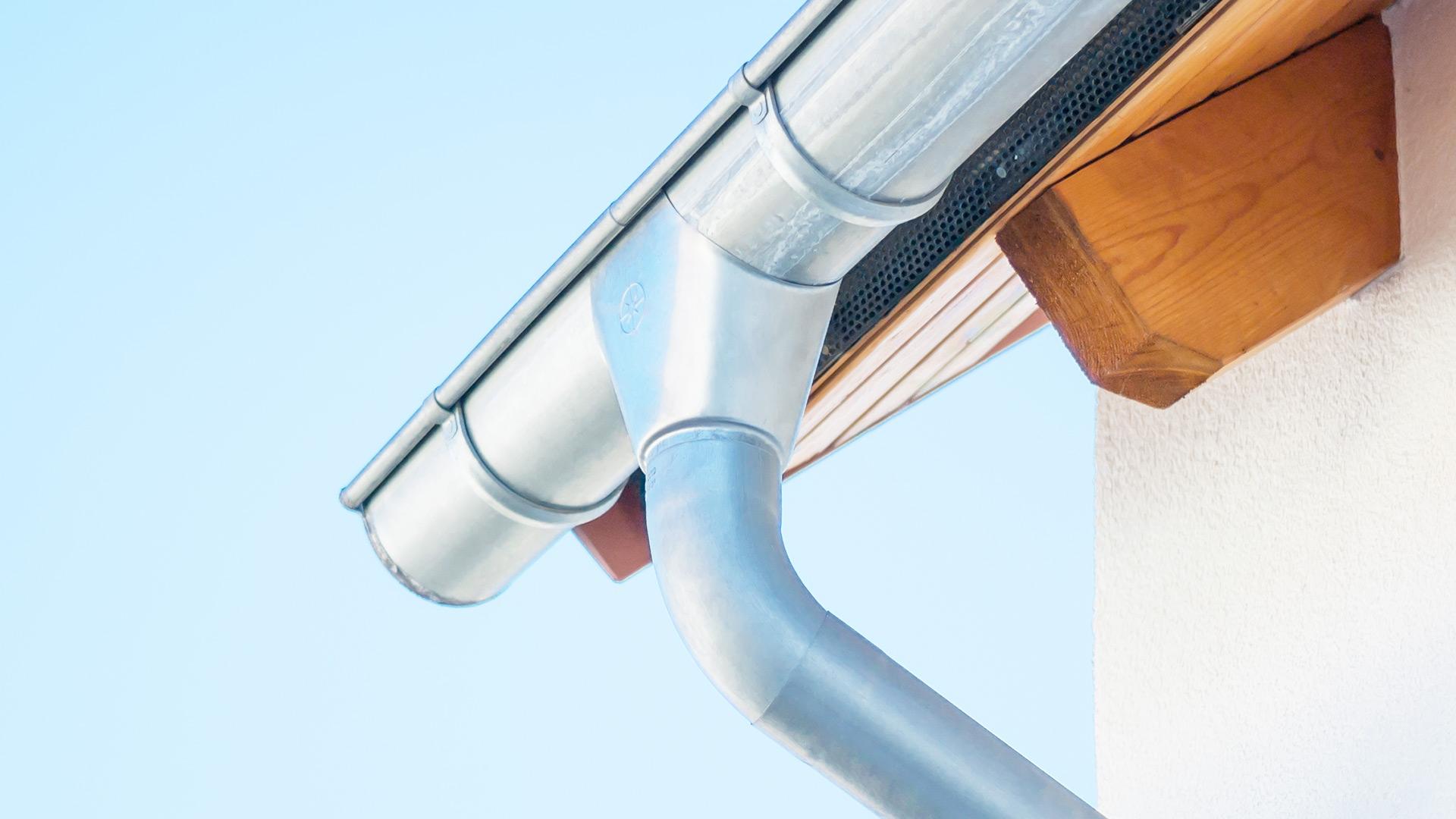
- Gutter support: Stout fascia and well‑hung seamless gutters move slush and spring downpours away from walls, protecting siding edges and foundation.
Curious how different roof materials compare side by side for our area? See the systems we install on the roof types we install page, then match your choice to the siding style you prefer.
Freeze‑Thaw Cycles: Where Roofs And Siding Meet
Columbus roofs often see a thaw at noon and a refreeze at sundown in late winter. Water backs up behind ice at the eaves and tries to move under shingles. If underlayment and flashing are right, water drains away. From there, your siding’s job is to shed splashback and protect the sheathing. That is why tight J‑channels, sealed penetrations, and crisp starter rows matter so much.
Vinyl’s flexibility helps it shrug off these swings. Aluminum’s paint system helps it resist edge chipping from ice pellets. Pair either one with impact‑resistant shingles if hail is common on your street. The combo gives you a durable shell that is ready for April storms and August heat.
Energy‑Efficient Siding Choices For Fairfield County Homes
Homes in Lancaster, Pickerington, and Violet Township benefit from insulated vinyl or a well‑detailed aluminum system with a continuous housewrap and taped seams. That layer cuts drafts through studs and keeps living rooms more comfortable on windy winter nights. Small gains on each wall add up when temperatures jump 20 degrees in a day. The right panel, backer, and wrap can stabilize your indoor comfort and support your HVAC.
When you want general guidance from a local pro, you can always start at our home base for siding in Columbus, OH and browse recent projects to see how these systems look on homes like yours.
Material Matchups For Central Ohio Conditions
Here are common pairings that work well across neighborhoods from German Village to Worthington:
Vinyl siding + impact‑resistant asphalt shingles: A flexible wall surface with a shingle that fights hail. Good attic ventilation and an ice barrier keep edges dry. This is a reliable, budget‑friendly mix for many two‑story homes.
Aluminum siding + standing seam metal roof: Clean lines and high durability. Add vented soffit and a smart underlayment stack, and you get a system that moves with daily swings yet seals tight against wind‑driven rain.
Vinyl or aluminum + low‑slope rubber over porches: Keeps porches dry and transitions tight where roof meets wall. Flashing and counter‑flashing are the heroes here.
Color, Sun, And Street Appeal
Summer sun in Central Ohio can be intense on south and west walls. Lighter colors reflect more heat; darker tones show depth and contrast on shaded streets lined with oaks and maples. Ask us about fade‑resistant finishes and profiles that fit the architecture in places like Olde Towne East or Upper Arlington.
When To Act
Look for warping, loose corners, shingle granules washing into the downspouts, or peeling fascia paint after a cold snap. Those are early signs that temperature swings are taking a toll. A quick, professional inspection can catch issues at trim joints, starter rows, or valley transitions before they spread.
Talk With A Local Pro Who Designs For Swings
Exterior Improvements pairs climate‑specific materials with careful details so your home handles Central Ohio’s mood swings without drama. If you want ideas tailored to your sun exposure, tree cover, and neighborhood wind patterns, start a conversation with our team. You can learn more about siding styles and insulated options on our siding page, and we will map the right match to your roof system.
Ready To Protect Your Home In Columbus?
If rapid temperature shifts have exposed weak spots on your exterior, let us help you plan a resilient upgrade. Call us at 740-503-3501 to schedule a consultation, or reach out through our siding service page to compare profiles, colors, and energy‑saving options that fit your block.
Professional note: We avoid one‑size‑fits‑all advice because block‑by‑block sun and wind patterns matter. Our specialists recommend materials and details that fit your specific lot, then back the work with clear communication from start to finish.
Exterior improvements tips & articles
-
Clogged Gutters in Pickerington: How to Protect Your Foundation from Ohio Rains
Spring downpours in Central Ohio can turn a small gutter problem into a major foundation headache, especially in tree-lined parts of Pickerington. When limbs drop leaves, needles, and seeds into your gutters, water spills over the edge, runs down the siding, and pools along your foundation. […]
-
Comparing Siding and Roofing Materials for Central Ohio’s Rapid Temperature Swings
In Columbus, warm afternoons can turn chilly by night. Those swings test every inch of your exterior. If you are weighing new siding or a roof upgrade, it helps to match materials to our climate. This guide breaks down how popular options handle freeze-thaw cycles, late‑season […]