



Commercial Roof Leaks: 7 Quick Checks Before You Call

If water is showing up where it should not, every minute counts. Use these simple, safe observations to confirm a problem and share helpful details with a pro, then let our commercial roofing team handle the rooftop work.
In Central Ohio, fast temperature swings, pop-up summer storms, and long stretches of freeze and thaw put extra stress on flat and low-slope roofs. EPDM, TPO, and modified bitumen systems all age in different ways, but the early warning signs are similar. The goal here is not to fix anything yourself. It is to document what you see so that a licensed roofing contractor can arrive prepared and stop the damage quickly.
Know The Signs Of A Commercial Roof Leak
Most leaks announce themselves first. Look for discolored ceiling tiles, paint bubbling on drywall, water lines on masonry, or damp carpet. In offices, you might hear a faint drip during quiet hours or smell a musty odor near break rooms and copy areas.
EPDM membranes are common across Columbus. Typical EPDM leak signs include wrinkled seams, loose edge flashing, or streaks below rooftop penetrations like HVAC curbs and vent stacks. You do not need to go outside to confirm a leak, but noticing these patterns from safe vantage points can help the pro trace the source faster.
Seven Quick Checks You Can Do Safely
Do not climb onto the roof. Everything below can be done from inside the building or from the ground.
- ceiling tiles: note fresh stains, sagging, or brown rings, especially after a storm
- walls and windows: look for water tracks below sill height or near expansion joints
- floors: check for damp carpet, buckled vinyl, or puddles under light fixtures
- odors and air: musty smells near returns may point to wet insulation above
- electrical: look for flickering lights in the affected area and keep people clear
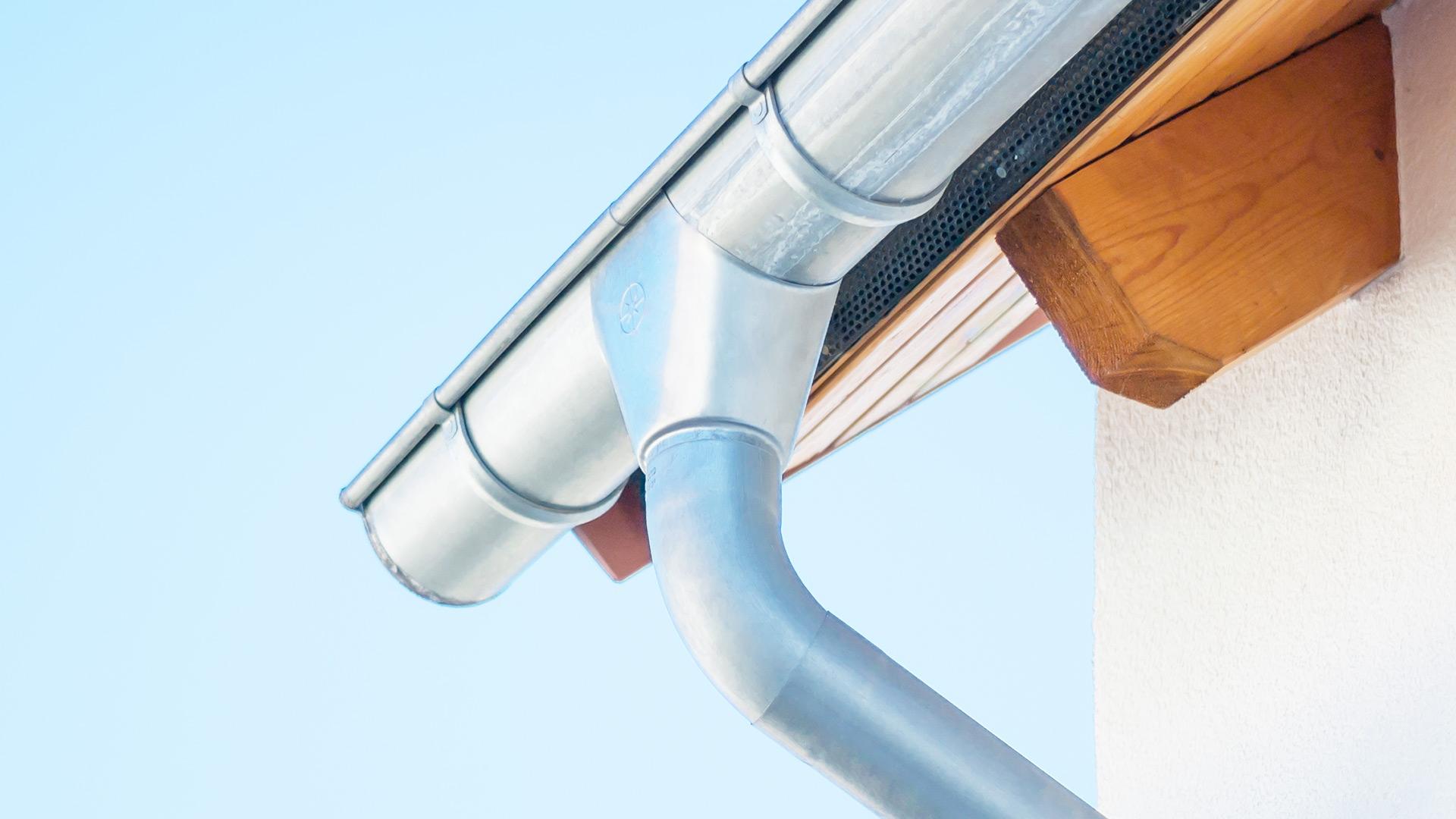
- from the ground: scan roof edges for missing metal, loose gutters, or downspouts blown off
- timing: write down when the leak starts and stops so the pro can tie it to the weather
Ceilings, Walls, And Odors
Ceiling stains that grow after rain are a giveaway. Brown rings often mean the water has pooled above the tile and drained slowly. If a wall shows a vertical water line from high to low, the leak might be near a roof penetration above that spot. Musty air in one room but not the next suggests wet insulation above a specific bay.
What You Can See From The Ground
Step outside and look up at the roof edge, coping, and gutters. Bent metal, missing sections, or downspouts hanging loose can let water back up and find a path inside. You may also see splatter marks on the wall where water has run over the edge. These clues help a pro decide whether to bring drain-cleaning tools or focus on seams and penetrations first.
Summer cells over the Scioto and Olentangy can dump heavy rain in minutes. Wind can shift loose flashing or drive water under a weak seam. In winter, thawing snow can refreeze overnight and open small gaps. If your building sits near open lots in Grandview Heights or Worthington, wind scouring may be stronger, which can move ballast or stress rooftop units.
Central Ohio flat roofs often show ponding after fast thunderstorms. If water sits for many hours around drains or low spots, it increases the chance of seam failure and trapped moisture. Schedule a professional check before the next round of rain.
Why Commercial Roofs Leak In Central Ohio
Leaks usually come from one of a few stress points, and our weather amplifies them. Freeze and thaw cycles work seams open. Rooftop foot traffic compresses insulation at paths to HVAC units. Drains clog with maple seeds in spring and leaves in fall, which can cause ponding water. Over time, UV exposure dries and shrinks some materials, making small gaps larger.
- seams and laps: EPDM and TPO seams can loosen or bridge over time
- flashing: terminations at walls, curbs, and parapets are frequent culprits
- penetrations: pipes, vents, satellite mounts, and cable entries can crack
- drains and scuppers: blockages cause water to rise and find weak points
- surface wear: hail or debris can bruise membranes and invite slow leaks
Property managers in Downtown Columbus, German Village, Gahanna, and Dublin report the same patterns. The building type changes, but physics does not. When water finds the easiest path, it moves along the deck and pops out far from the source, which is why professional leak tracing matters.
Ponding Water Fixes And What They Really Mean
People often ask whether a little standing water is a problem. On many flat roofs, a small, shallow area may dry within a day of good weather. Long-term ponding, however, speeds up surface aging and can push water through tiny defects. The fix could be as simple as clearing a drain or as complex as correcting the slope during a planned restoration. The right answer depends on your roof system, roof age, and recent weather.
Avoid placing anything on the roof to channel water. Unapproved objects can damage the membrane, void warranties, or block drains. A licensed crew can evaluate drains, strainers, sumps, and crickets safely and recommend the proper remedy for your system.
When To Call A Roofing Contractor
Call as soon as you notice active dripping, growing stains, or repeated musty odors after rain. If the leak is near electrical gear, keep people away and contact a professional immediately. A trusted team will document conditions, protect interiors, trace the source, and plan the right repair for your membrane and building use.
If you manage multiple locations from Westerville to Hilliard, share photos of interior stains, dates and times of leaks, and any past roof paperwork. That information shortens diagnosis time. When you are ready, request a commercial leak inspection with a company that understands Central Ohio weather patterns and typical EPDM and TPO details.
How Pros Track Down Leaks And Stop The Damage
Professional crews start with safety and access, then move to methodical tracing. They compare interior evidence to rooftop features and work up-slope from the first wet spot. On single-ply systems, they check seams, flashings, and penetrations in a specific sequence. Moisture meters, infrared scans, and controlled water tests help confirm the path without unnecessary tear-outs.
Documentation matters too. Photos, core samples when appropriate, and a short condition report give you a clear plan. The repair might involve new flashing, seam reattachment, or replacing saturated insulation to restore thermal performance. On older roofs, your contractor may recommend a phased approach that targets active leaks now and sets you up for a future restoration or replacement at the right time of year.
Preventive Maintenance For Columbus Buildings
Small, routine steps catch problems early and protect your investment. Schedule seasonal roof walks by a licensed pro before spring storms and before the winter freeze. Drains and scuppers should be kept clear, and rooftop paths protected to limit wear from foot traffic. In neighborhoods with more trees, like Bexley, leaf debris can load drains quickly, so visits in late fall are helpful.
Education helps your team spot issues sooner. Share these ideas with your facility staff, and keep learning with practical articles like our roofing contractor tips. Training your on-site eyes to notice ceiling stains, odors, or gutter problems pays off in faster response and less disruption to tenants and customers.
EPDM Leak Signs You Can Recognize
Many Columbus buildings use EPDM because it tolerates cold well and offers long service when maintained. From safe vantage points, you might notice consistent clues that point a pro toward a quick solution: stains below rooftop units, damp ceiling tiles under long seams, or repeated drips near walls after wind-driven rain. These patterns help prioritize which seams, corners, and penetrations to open and check.
Never attempt a temporary patch with household products. Some chemicals attack single-ply membranes and make a small issue bigger. A qualified crew brings compatible materials and follows manufacturer guidance so your system stays eligible for warranty coverage.
Document, Communicate, And Act
Good records speed good repairs. Note the date, time, and weather when a leak appears, and take two or three clear photos of stains or drips from the same angle each time. Share this with your contractor so they can match the interior pattern to rooftop conditions on the day of service.
If operations in the Short North or Polaris cannot pause, a professional can stage protection to keep staff areas safe while diagnosis continues. Clear communication about hours, noise limits, and access helps the crew work quickly and quietly around your schedule.
Your Next Step
When a leak shows up, do not wait for the next storm. Connect with a local exterior remodeling contractor that knows Columbus building types, regional weather, and the details that make or break a long-lasting repair.
Need help now? Call 740-503-3501 or request service through our commercial roofing page to get a licensed crew on the schedule.
Choosing Exterior Improvements means clear communication, detailed documentation, and a long-term plan for your roof’s health. We will assess the leak, protect interiors, and recommend the right repair for your system and season so you can get back to business.

Exterior improvements tips & articles
-
Comparing Siding and Roofing Materials for Central Ohio’s Rapid Temperature Swings
In Columbus, warm afternoons can turn chilly by night. Those swings test every inch of your exterior. If you are weighing new siding or a roof upgrade, it helps to match materials to our climate. This guide breaks down how popular options handle freeze-thaw cycles, late‑season […]
-
How Lancaster’s Hardwood Canopy and Heavy Snow Loads Impact Your Roof’s Lifespan
Living under Lancaster’s tall oaks and maples brings cool shade and small-town charm, but it also creates real challenges for your roof. If you want the longest life from your shingles, plan timely roof repairs in Lancaster, OH and smart maintenance that matches our leaf-heavy falls […]