

Soffit & Fascia 101: Ventilation, Rot, and Quick Repairs

On many homes across Lancaster and Fairfield County, the edges of the roof work the hardest. When airflow stalls or water lingers, soffits and fascia pay the price. If you are seeing stains under the eaves, flaking paint, or birds poking around the corners, it may be time for professional soffit and fascia repair. This guide explains why ventilation matters, how fascia board rot starts, and what a trusted Lancaster roofing contractor does to restore those critical edges.
Soffit And Fascia Repair In Lancaster, OH: What Homeowners Should Know
Our four-season weather swings put constant stress on roof edges. Freeze-thaw cycles in winter, spring storms rolling off the Hocking Hills, and long summer humidity all push moisture toward the eaves. That is why the soffit and fascia system must both breathe and shed water. When it fails at either, small problems can spread into gutter leaks, attic moisture, and damaged roof decking.
Consistent airflow prevents moisture that leads to hidden rot. Proper ventilation moves fresh air through the attic and out the ridge or roof vents. The soffit is the intake side of that system. If it is blocked, the attic traps humidity, insulation clumps, and wood fibers soften over time. Keeping intake paths clear and intact helps your whole roof last longer.
Why Ventilation Matters In Lancaster’s Climate
Local winters bring snow and freeze-thaw cycles that can cause ice at the roof edge. Without healthy airflow, heat from the living space warms the roof deck unevenly and encourages ice buildup near the gutters. In summer, humidity adds moisture that can condense on cooler surfaces inside the attic. Both situations push water toward the soffit and fascia boards.
- Attic air that feels damp or musty often points to blocked soffit intake.
- Dark streaks or mildew on soffit panels can indicate trapped moisture at the eaves.
- Uneven shingle aging near the lower rows may be a sign of poor intake and exhaust balance.
If you are unsure about your home’s airflow, a professional assessment checks soffit vents, baffles, and exhaust paths together. The goal is a balanced system sized for the house, not just a cosmetic panel swap.
Spotting Fascia Board Rot Before It Spreads
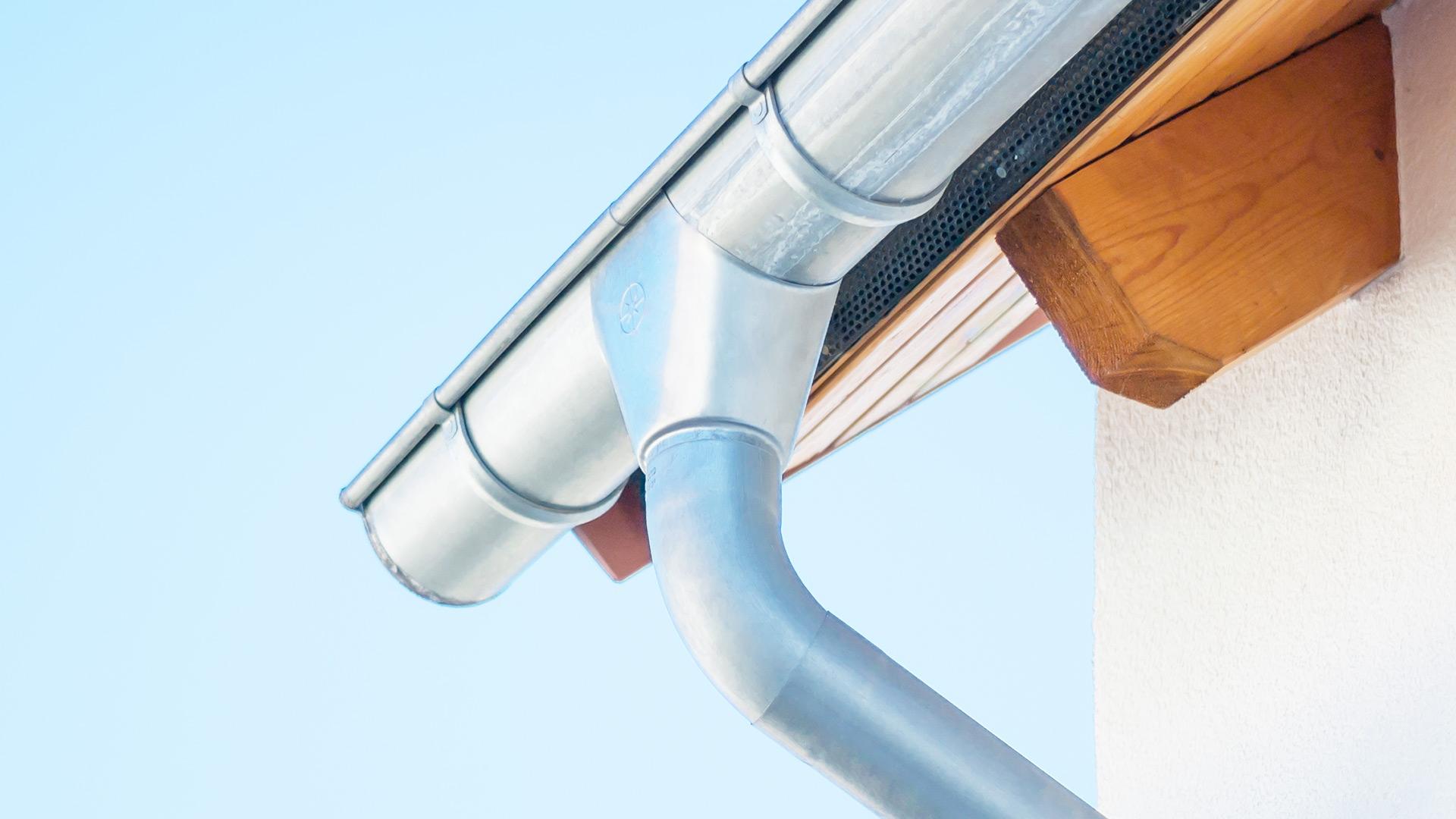
The fascia is the vertical board behind the gutter. It anchors the gutter and finishes the look of your roofline. When water sneaks behind the gutter or wicks in through unsealed end caps and miters, the board absorbs moisture and starts to decay. Early on, paint will bubble or peel. Later, nails loosen and gutters sag. Soft, spongy wood near the gutters is a red-flag sign of fascia rot.
In Lancaster neighborhoods like Historic Downtown and River Valley Highlands, you will often see mixed ages of homes on the same street. Older homes may have layered paint and original wood trim that hides early decay. Newer homes can still see rot when wind-driven rain overflows a small section of gutter or where roof valleys dump water at a corner. Left alone, fascia rot can lead to gutter pull-away, soffit staining, and animal intrusion at open seams.
What Commonly Damages Soffits And Fascia In Fairfield County
- Clogged or undersized gutters that overflow during spring downpours.
- Poor attic ventilation that traps warm, moist air against roof decking and eaves.
- Missing or bent drip edge that lets water run behind the gutter.
- Wind-driven rain from summer storms that forces water into small gaps at corners.
- Animal activity and insects that exploit openings, chew edges, and block vents.
Small gaps invite squirrels, starlings, and wasps into the attic. Once pests find a warm, sheltered edge, they can block intake vents with nests and create new openings. That raises moisture, invites more decay, and turns a small repair into a larger restoration.
Vinyl Soffit Replacement Versus Other Materials
Many Lancaster homeowners choose vinyl soffit replacement because it is lightweight, low maintenance, and designed with vented panels that integrate neatly with aluminum fascia wraps. Vinyl stands up well to humidity and is easy to clean. Aluminum vented panels are another durable option, especially alongside metal fascia wraps and seamless aluminum gutters. On some historic homes, preserving a wood soffit may be a priority, but it should be protected with modern ventilation and proper paint or wrap systems.
Material choices depend on your home’s style, age, and the existing gutter system. The right combination improves airflow while keeping wind-driven rain out. Your contractor should evaluate panel style, vent area, fascia coverage, and the drip edge to make sure everything works together.
How Pros Handle Quick Repairs The Right Way
Quick repairs still follow a disciplined process. A Lancaster roofing contractor will first trace stains, soft spots, or peeling paint back to their source. If the damage is isolated, the pro replaces only the affected section, not the entire run. They address how water or moisture got in, not just what it damaged.
Typical professional steps include isolating and removing decayed wood, integrating a compatible fascia wrap, verifying soffit vent intake, and checking that the drip edge and shingle overhang guide water into the gutter trough. Seams and end caps get sealed, hangers are reset to the correct pitch, and the system is tested for flow. The goal is a tight, breathable edge with a clean line that supports the gutter under load.
Water Management: Gutters And Roof Edges Working Together
The best soffit and fascia repair pairs with a healthy gutter system. During strong downpours, gutters should carry water away without spilling at corners or over long straight runs. If water shoots past the trough, the fascia stays wet and begins to fail at seams. When your contractor evaluates edge repairs, it is smart to review pitch, outlets, and downspout sizing at the same time. If your system is aging or undersized, consider upgrading to seamless gutters so water moves off the roofline cleanly.
When To Call A Lancaster Roofing Contractor
You do not have to wait for a leak. Streaks on the soffit, peeling paint along the gutter line, or wasp activity at the corners are early signals. Homes near Downtown Lancaster, along Pleasantville Street, or out by community parks can all see the same issues because the weather patterns are consistent across our area. If anything looks off, start with a quick roof-edge assessment from a pro you trust.
For more background on options and materials, you can explore soffit and fascia repair in Lancaster, OH right from our home base. A short conversation helps us map out whether you need small-section repairs, new vented panels, or a broader plan that ties ventilation, drip edge, and gutters together.
Five Clear Signs Your Roof Edges Need Attention
Because many problems start small, it helps to know what to watch for. Here are common homeowner clues that deserve a closer look from a professional:
- Dark lines or mildew under the eaves that return after cleaning.
- Gutters that drip at corners or pull slightly away from the fascia after storms.
- Birds, squirrels, or wasps entering at a gap near the soffit or rake edge.
- Paint that blisters or flakes along the gutter line within a season.
- Attic insulation that looks matted near the edges, suggesting poor airflow.
None of these mean a full replacement is automatic, but they do mean water or air is not moving the way it should. Addressing the cause early preserves surrounding materials and keeps trim lines straight and strong.
Protecting Historic And Newer Homes Alike
Lancaster’s housing mix ranges from early 20th-century homes near the center of town to newer builds in growing subdivisions. For older homes, keeping character trim while adding performance is often the goal. That may include carefully replacing sections of fascia board and using vented soffit panels that blend with the original style. On newer homes, repairs often focus on storm-related movement at corners, re-sealing gutter connections, and verifying that intake vents remain clear behind attic insulation baffles.
No matter the age, the essentials stay the same: balanced ventilation, tight water control, and durable materials at the edge. When those three work together, you reduce the risk of decay, pests, and paint failure.
Why Timing Matters Before The Next Weather Shift
Spring storms and summer humidity arrive fast in Fairfield County. A small gap in April can turn into stained soffit in June. Scheduling a timely inspection means your contractor can catch early fascia board rot, reset a loose corner, or swap a short section before moisture spreads. Protect your roof edges before the next storm hits.
Ready To Protect Your Roof Edges?
Keep your roofline strong with help from Exterior Improvements. If you notice staining, sagging gutters, or soft trim, our team will assess ventilation, drip edge, and gutter flow, then handle targeted fascia board rot repair and soffit and fascia repair the right way. Call us at 740-503-3501 to schedule a roof-edge evaluation, and we will help your home breathe, shed water, and look sharp season after season.
Exterior improvements tips & articles
-
Comparing Siding and Roofing Materials for Central Ohio’s Rapid Temperature Swings
In Columbus, warm afternoons can turn chilly by night. Those swings test every inch of your exterior. If you are weighing new siding or a roof upgrade, it helps to match materials to our climate. This guide breaks down how popular options handle freeze-thaw cycles, late‑season […]
-
How Lancaster’s Hardwood Canopy and Heavy Snow Loads Impact Your Roof’s Lifespan
Living under Lancaster’s tall oaks and maples brings cool shade and small-town charm, but it also creates real challenges for your roof. If you want the longest life from your shingles, plan timely roof repairs in Lancaster, OH and smart maintenance that matches our leaf-heavy falls […]