



How Lancaster’s Hardwood Canopy and Heavy Snow Loads Impact Your Roof’s Lifespan

Living under Lancaster’s tall oaks and maples brings cool shade and small-town charm, but it also creates real challenges for your roof. If you want the longest life from your shingles, plan timely roof repairs in Lancaster, OH and smart maintenance that matches our leaf-heavy falls and snow-packed winters.
Why Lancaster’s Hardwood Canopy Matters for Your Roof
Tree shade keeps attics cooler in summer, but constant shade also slows drying after rain or frost. Wet shingles hold grit and organic debris, which feeds moss and algae. Over time, that moisture can lift edges, weaken the surface, and shorten the life of asphalt shingles.
Homes near Rising Park and along our older, tree-lined streets collect leaves, twigs, and acorns faster than open-lot homes. Debris settles into valleys and behind chimneys, where water already lingers. As that organic layer breaks down, it traps more moisture, and the cycle repeats. Do not ignore moss or algae streaks on shingles; dark streaks and fuzzy patches are early signs the surface is staying wet too long.
The canopy also hides small roof issues from street view. Missing granules, loose flashing, and cracked pipe boots can escape notice until a storm pushes water beneath the shingle. That is why shaded homes often benefit from a tighter inspection rhythm than sunny homes.
Heavy Snow Loads in Fairfield County: Real-World Effects on Shingles and Structure
Fairfield County winters bring bursts of heavy, wet snow that can stack up quickly. Even when total snow depth seems modest, a quick thaw followed by a hard freeze can create dense, heavy layers. The real trouble shows at the eaves, where ice dams form and back water under the shingle edge.
Ice dams are not about how cold it is outside. They are about heat loss from the home and uneven roof temperatures. Warm air leaking into the attic melts snow, water runs down to the cold overhang, then freezes at the edge. That ridge of ice traps more meltwater. Without protection at the eaves and tight flashing, water can sneak under shingles and into the soffit, sheathing, and walls.
A Local Roofing Maintenance Schedule That Extends Roof Life
Lancaster’s roof care calendar is shaped by three things: heavy leaf fall, frequent freeze-thaw cycles, and spring thunderstorm tracks. Building a simple, repeatable plan helps you spot problems early and protect your warranty. You can always start at the roof repairs in Lancaster, OH hub for quick help and service scheduling with Exterior Improvements.
- Early Fall: Plan a professional debris clear-out and gutter flush before the first big leaf drop. Keep gutters clear before the first freeze so meltwater drains instead of refreezing at the eaves.
- Late Fall: After peak leaf fall, have a pro clear valleys, check flashing, and verify downspout flow ahead of snow season.
- Mid-Winter: Following significant snowfall, schedule a check for ice dams, attic frost, and staining at soffits or ceilings.
- Early Spring: Inspect for lifted shingle edges, missing granules at downspouts, and any storm-lifted ridge caps.
- Mid-Summer: Verify attic ventilation, ridge and intake balance, and look for heat blisters or cracked seals around penetrations.
Shady lots often need more frequent touchpoints, especially in valleys below large branches. Exterior Improvements can align visits with your trees’ leaf cycles so debris does not linger into winter.
Materials and Details That Perform in Lancaster, OH
Asphalt shingles remain the top choice for Lancaster homes because they balance curb appeal, impact resistance, and value. For wooded streets, algae-resistant shingles help resist dark streaks. A high-performance underlayment and an ice-and-water barrier at eaves and valleys add insurance against wind-driven rain and ice dams.
Ventilation matters just as much as the shingle. Balanced intake at the soffit and continuous ridge venting reduces attic moisture and evens out roof temperatures. That balance helps limit ice dam formation and keeps shingles from aging faster on sun-baked sections. If your roof is nearing the end of its life, ask how today’s ventilation packages pair with a roof replacement to improve winter performance.
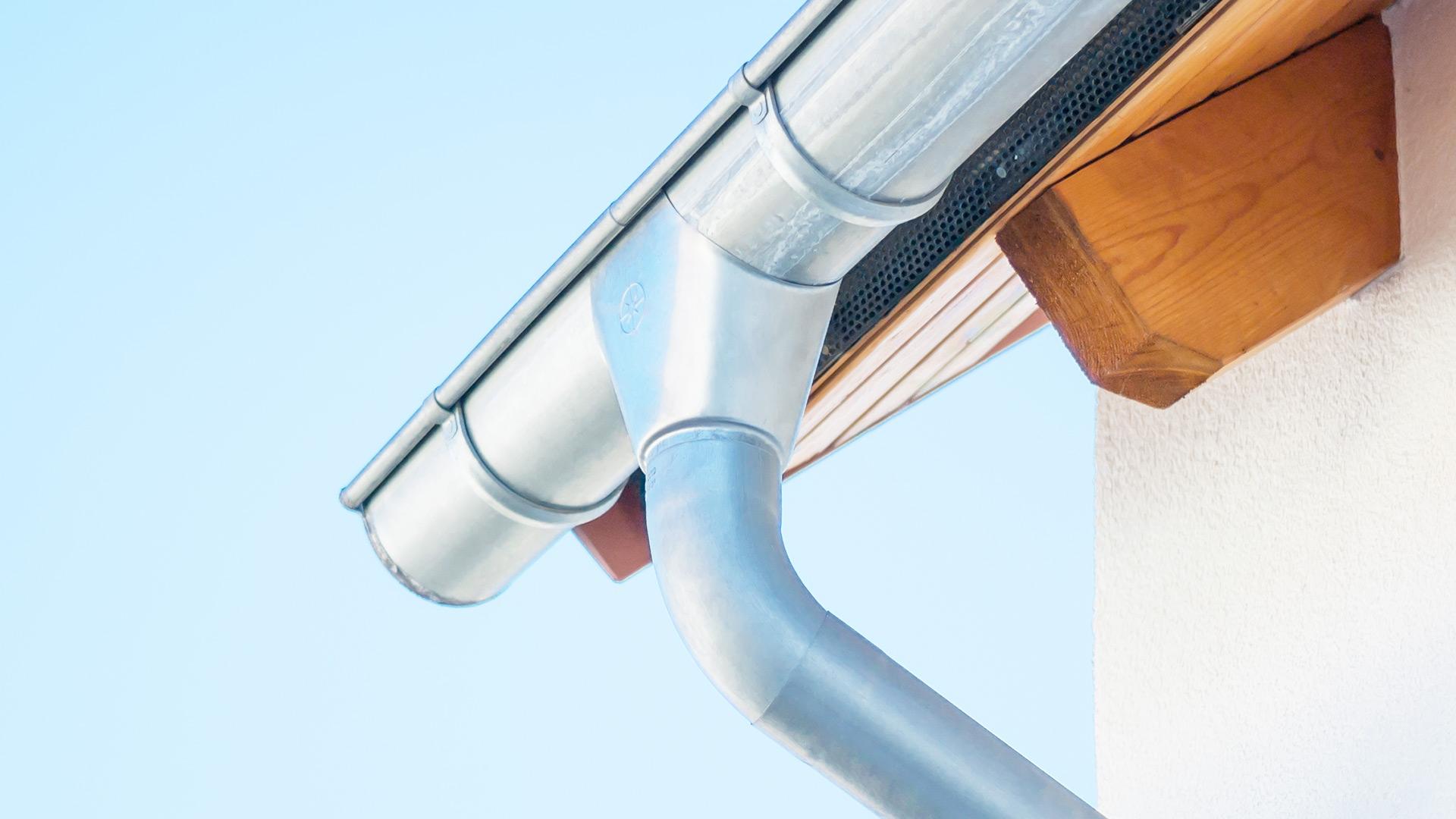
Gutters and downspouts are part of the roofing system, too. Proper sizing and leaf protection move water off shaded roof faces faster and keep it away from your foundation. With Lancaster’s hardwood canopy, a clogged gutter can overflow and soak fascia boards in a single storm.
Warning Signs You Should Call a Roofing Contractor
Shaded, snow-exposed roofs telegraph problems in subtle ways. If you notice any of the signs below, schedule a check before the next storm. Schedule professional roof inspections each year to catch small issues while they are simple to fix.
- Dark algae streaks that keep reappearing after rain or a musty smell in upper rooms
- Granules piling at downspouts after storms, or shiny, bare spots on shingles
- Brown ceiling spots near exterior walls, or paint peeling at soffits
- Icicles forming in long lines at the same eave after every snowfall
- Leaves packed in roof valleys, behind skylights, or against chimney shoulders
When these show up, contact a trusted Lancaster roofing contractor. Use a licensed, insured roofing contractor so inspections, materials, and workmanship align with manufacturer guidance and local best practices.
How Exterior Improvements Helps Lancaster Homeowners Get More Years From Their Roof
Exterior Improvements builds service plans around Lancaster’s trees and winter patterns. On shaded properties, our teams focus on moisture risks first: valley debris, chimney counter-flashing, skylight curbs, and low-slope transitions. We look for algae-prone faces along north and east exposures, then check soffit intake and ridge vent flow to even out roof temperatures.
During fall visits, we clear organic buildup before it compacts under snow. Winter checks focus on eave protection and signs of ice damming. Spring brings a shingle surface review, including lifted tabs, nail pops, and seal integrity, especially where branches overhang. In summer, heat and UV checks help us confirm ventilation and spot early aging so you can plan repairs before storm season returns.
If we find issues that merit prompt attention, we explain the cause, outline repair options, and schedule the work at a time that fits your routine. For isolated problems like a torn valley shingle or leaky pipe boot, targeted repair can add years to a system that still has life. When age or storm history points to a full system update, we review components, ventilation upgrades, and shingle choices so your roof is ready for both leaves and lake-effect snow.
Real-World Scenarios We See Around Lancaster
On tree-lined blocks near Downtown Lancaster, we often see algae streaks on the north face long before the south side shows wear. In cul-de-sacs with heavy oak cover, gutters can look clear from the ground while downspouts hide packed seed caps. After a quick thaw and refreeze, that trapped water can creep under the first row of shingles and stain interior corners.
In neighborhoods that open to wind, ridge caps can take a beating during spring storms. A few displaced caps or loose nails can let gusts lift nearby tabs. Small fixes done quickly prevent patchwork aging and keep your roofline uniform from the curb.
What To Expect When You Call Exterior Improvements
First, we listen. Then we inspect the roof surface, flashing, attic ventilation, and water pathways. You receive clear photos, simple language, and a prioritized plan built for Lancaster’s seasons. If your home sits beneath dense hardwoods, we propose a maintenance rhythm that lines up with your leaf drop and snow patterns so small problems never get a head start.
If repairs are the right move, our crews follow manufacturer guidance for asphalt shingles, seal vulnerable joints, and verify runoff from valleys to downspouts. When your roof is at the end of its service life, we help you weigh options and timing, including whether a roof replacement lets you upgrade ventilation and ice protection ahead of the next winter.
Ready to Protect Your Roof’s Lifespan?
If your home is shaded by mature hardwoods or your eaves build icicles after every storm, it is time to talk with a pro. Call Exterior Improvements at 740-503-3501 and schedule thorough roof repairs in Lancaster, OH before the next round of snow or storms moves in. We serve homeowners throughout Lancaster and across Fairfield County with maintenance built for our trees, our weather, and your peace of mind.
Exterior improvements tips & articles
-
Comparing Siding and Roofing Materials for Central Ohio’s Rapid Temperature Swings
In Columbus, warm afternoons can turn chilly by night. Those swings test every inch of your exterior. If you are weighing new siding or a roof upgrade, it helps to match materials to our climate. This guide breaks down how popular options handle freeze-thaw cycles, late‑season […]
-
How Lancaster’s Hardwood Canopy and Heavy Snow Loads Impact Your Roof’s Lifespan
Living under Lancaster’s tall oaks and maples brings cool shade and small-town charm, but it also creates real challenges for your roof. If you want the longest life from your shingles, plan timely roof repairs in Lancaster, OH and smart maintenance that matches our leaf-heavy falls […]