



Lancaster Storm Damage: Tarping, Documentation, and Claim Do’s & Don’ts
When a fast storm sweeps across Lancaster, wind and hail can harm shingles, flashing, and gutters in minutes. This guide explains how to protect your home, what to document for your insurer, and the biggest claim mistakes to avoid. If water is getting in now, schedule prompt roof repairs with a trusted local team at Exterior Improvements and keep interiors safe while your claim moves forward.
What Counts as Roof Storm Damage in Lancaster
Across Fairfield County, we see missing or lifted shingles after spring winds, dents from hailstones, and debris strikes from tree limbs near neighborhoods like River Valley Highlands and along Ety Road. Storm damage is different from normal wear. It is sudden, caused by a weather event, and often shows patterns a trained inspector recognizes. You might notice shingles on the lawn, shiny spots where granules rubbed off, dented metal on vents, or water stains on ceilings after a downpour.
Do not climb the roof to check. A licensed roofing contractor can confirm damage safely, photograph findings, and prepare the documentation your insurer will expect. If rain is still in the forecast, your inspector may recommend temporary protection and then a full repair plan once the weather clears.
Emergency Tarping: When and Why to Call a Pro
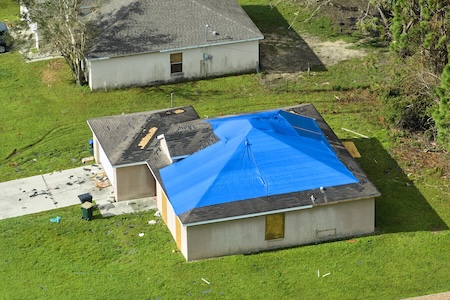
If water is entering the home, the first goal is to stop more damage. Professional tarping protects the structure and contents until permanent repairs are scheduled. A trained crew will secure the area, place anchor points correctly, and seal edges so wind does not lift the tarp. They also avoid covering hot vents or trapping moisture, which can make things worse.
Never attempt roof tarping yourself. Wet shingles, slick underlayment, and hidden structural damage create real fall risks. A misapplied tarp can funnel water into the house or tear loose in the next wind gust. A pro will install a safe, temporary barrier and record the work for your file, which supports the mitigation part of your claim.
The Photo Documentation Checklist Insurers Love
Good photos tell a clear story. Aim for simple, steady shots and keep a short note with time and date. Stay on the ground or indoors. Your roofing contractor will add close-ups from the roof if safe.
- Wide shots: front, back, and each side of the home to show overall condition after the storm.
- Medium shots: roof planes, valleys, and penetrations like vents or chimneys from safe ground angles.
- Close-ups from the pro: missing tabs, hail bruises, creased shingles, dented caps, torn flashing.
- Collateral clues: granules in downspouts, dented gutters, torn window screens, yard debris against siding.
- Interior evidence: ceiling stains, bubbling paint, wet flooring. Photograph a ruler or common item for scale.
- Temporary protection: photos of professional tarping and coverings once installed.
Keep all related emails, texts, and receipts in one folder. If your gutters overflowed during the storm, this related guide on gutter sizes 5 vs 6 explains why larger outlets can prevent repeat issues at roof valleys.
Insurance Claim Do’s and Don’ts for Lancaster Homeowners
- Do contact your insurer promptly. Report the date of loss and describe the storm briefly. Let them know a licensed roofing contractor is documenting conditions.
- Do meet your adjuster on-site with your contractor. Pros speak the same technical language and can point out damage patterns.
- Do save damaged materials the crew removes, when practical. Samples can help confirm impact or crease damage.
- Do allow professional mitigation. Insurers expect you to prevent further harm once it is safe to do so.
- Don’t sign anything that assigns your insurance benefits or locks you into work before the inspection and scope are clear.
- Don’t let anyone create damage for photos. Ethical documentation focuses on what the weather did, not wear and tear.
- Don’t guess about policy rules. Deadlines and coverage can vary by carrier and by policy. Ask your agent or claims rep for details in writing.
Working With a Local Roofing Contractor You Can Trust
After a headline storm, door-knockers often show up. Vet every company. Look for a physical presence in Lancaster, clear communication, and steady references. Your contractor should provide license and insurance information, explain the inspection results in plain language, and share photos without pressure.
Exterior Improvements documents roof conditions, secures emergency protection when needed, and coordinates with your adjuster so your claim file is complete. We also map out the lasting fix, whether that is targeted shingle repair, flashing replacement, or a future reroof if the system is at end of life. If your roof needs prompt attention, set a visit through our roof repairs page and we will get you on the schedule.
How Timing and Weather Affect Inspections in Fairfield County
Storm patterns in Lancaster can change by the hour. Pop-up cells bring short, heavy rain that exposes weak valleys. Late fall adds leaves to gutters and cold nights to the mix. Quick inspections matter because water spreads. A small tear near the ridge can show up as a stain rooms away. Catching that path early keeps ceilings dry and shortens the repair plan.
Some roofs in Historic Downtown and near older streets use steeper pitches or layered materials. Others in newer subdivisions have different ventilation or flashing details. Your inspector adjusts the check for each house style, so the report actually matches your roof and not a generic list.
Common Repair Paths Your Adjuster May See
Every home is different, but storm repair plans often include a few standard steps. The goal is to return the system to reliable, watertight service, not just cover the symptom.
Typical professional actions may include sealed shingle replacement where tabs creased at the nail line, re-fastened or replaced ridge and hip caps, reworked step and counter flashing at walls, and verified underlayment at valleys and penetrations. If damage is wider or the roof is aging out, your contractor may recommend a full system update with modern underlayments and balanced ventilation. For a deeper look at when a new system is smarter, see our roof replacement overview.
Storm Damage Roof Photos: How Many Are Enough?
Quality beats quantity. For most homes, 20 to 40 labeled images tell a clear story: a few wide shots, several medium shots of key roof areas, and targeted close-ups of each damage type. Your pro will add measurements and note which slope faces the storm. They will also photograph matching issues, such as dents on soft metals that confirm hail direction and size. This helps the adjuster connect what they see on the roof with what the storm likely did to other parts of your home.
Protecting Eaves, Soffits, and Fascia After a Storm
Roof edges take the brunt of wind-driven rain. Water that overruns a gutter can soak the fascia and stain soffits. If you noticed streaks or sagging corners during the last storm, this article on soffit and fascia 101 explains why healthy intake and drip edges matter. Your roofing contractor will check edge metals, gutter pitch, and vent intake while they assess storm damage on the main roof surface.
Claim Friction to Avoid
Most delays come from unclear scope or missing details. Make sure names, addresses, dates, and the loss description match across your photos, contractor report, and claim. Ask your adjuster to confirm what is covered in writing, including any code or matching items your policy may address. If something is not clear, request a short list of what they still need. Keep your conversation notes simple and dated.
Do not perform your own repairs before the adjuster visit unless there is an urgent safety issue and a pro tells you it is necessary. Unplanned fixes can remove evidence that would have supported the claim. If emergency work is required to stop an active leak, have your roofer document every step with photos and a simple description so your file stays complete.
Lancaster Storm Damage Next Steps
If you suspect roof damage after heavy wind or hail, start with three moves. First, keep people and pets clear of any wet ceilings or areas near electrical fixtures. Second, call a licensed roofer to inspect and, if needed, install safe temporary protection. Third, notify your insurer and begin a simple photo log. When you want a trusted local partner, reach Exterior Improvements at 740-503-3501 or learn more at our Lancaster storm damage home base.
Ready To Get Your Roof Back To Normal?
Storms are part of life in Lancaster, but damage does not need to linger. Our team secures your home, builds clean documentation, and restores the system so it sheds water the way it should. If you need a steady partner who shows up, communicates, and stands behind the work, Exterior Improvements is here to help. Start a no-pressure conversation, and if water is getting in, schedule fast service through our roof repairs page so we can protect your home and keep your claim on track.
Exterior improvements tips & articles
-
Comparing Siding and Roofing Materials for Central Ohio’s Rapid Temperature Swings
In Columbus, warm afternoons can turn chilly by night. Those swings test every inch of your exterior. If you are weighing new siding or a roof upgrade, it helps to match materials to our climate. This guide breaks down how popular options handle freeze-thaw cycles, late‑season […]
-
How Lancaster’s Hardwood Canopy and Heavy Snow Loads Impact Your Roof’s Lifespan
Living under Lancaster’s tall oaks and maples brings cool shade and small-town charm, but it also creates real challenges for your roof. If you want the longest life from your shingles, plan timely roof repairs in Lancaster, OH and smart maintenance that matches our leaf-heavy falls […]